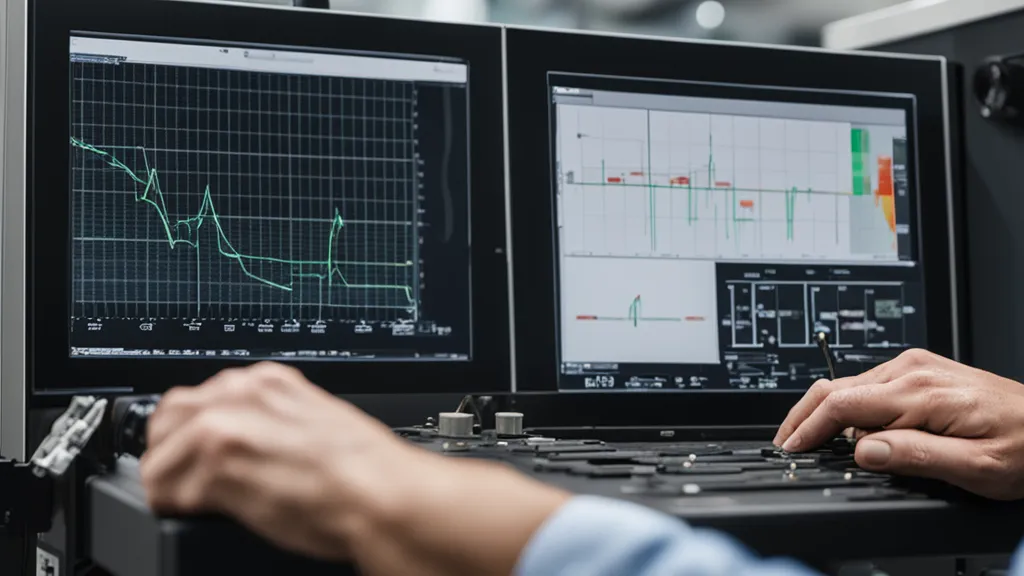
Optimizing Maintenance with Machine Learning
TL;DR: Machine learning offers powerful ways to optimize maintenance, moving from reactive or preventative approaches to a predictive model. This reduces downtime, extends asset lifespan, and improves resource allocation. Key areas include predictive maintenance (anticipating failures), prescriptive maintenance (recommending actions), condition monitoring (real-time insights), and anomaly detection (spotting unusual behavior). Successful implementation requires high-quality data, appropriate algorithms, and integration with existing systems.
Predictive Maintenance
Predictive maintenance uses machine learning to forecast when equipment is likely to fail. By analyzing historical data, sensor readings, and operational parameters, algorithms can identify patterns and predict future failures. This allows for proactive maintenance, minimizing downtime and maximizing asset lifespan.
Prescriptive Maintenance
Prescriptive maintenance takes predictive maintenance a step further by not only predicting failures but also recommending the best course of action. It considers various factors, including the severity of the predicted failure, the cost of downtime, and the availability of resources, to suggest optimal maintenance strategies.
Condition Monitoring
Condition monitoring leverages sensors to collect real-time data on the health and performance of equipment. Machine learning algorithms analyze this data to identify anomalies and potential problems, enabling prompt intervention before failures occur.
Anomaly Detection
Anomaly detection uses machine learning to identify unusual patterns in data that deviate from the norm. This can indicate potential problems or emerging issues that might not be apparent through traditional monitoring methods. Early detection of anomalies allows for timely investigation and corrective action.
People Also Ask
- Question: What are the benefits of using machine learning for maintenance?
Answer: Machine learning enables predictive and prescriptive maintenance, reducing downtime, extending asset lifespan, and optimizing resource allocation. It also allows for better anomaly detection and condition monitoring.
- Question: What data is needed for machine learning-based maintenance?
Answer: Historical maintenance records, sensor data, operational parameters, and environmental factors can all be used to train machine learning models for maintenance optimization.
- Question: What are some common machine learning algorithms used in maintenance?
Answer: Regression, classification, clustering, and time series analysis are some of the commonly used algorithms.
FAQ
- What is predictive maintenance? Predicting failures before they happen using data analysis.
- What is prescriptive maintenance? Recommending actions based on predicted failures.
- What is condition monitoring? Real-time data collection and analysis for insights.
- What is anomaly detection? Spotting unusual data patterns that may signal problems.
Leave a Reply