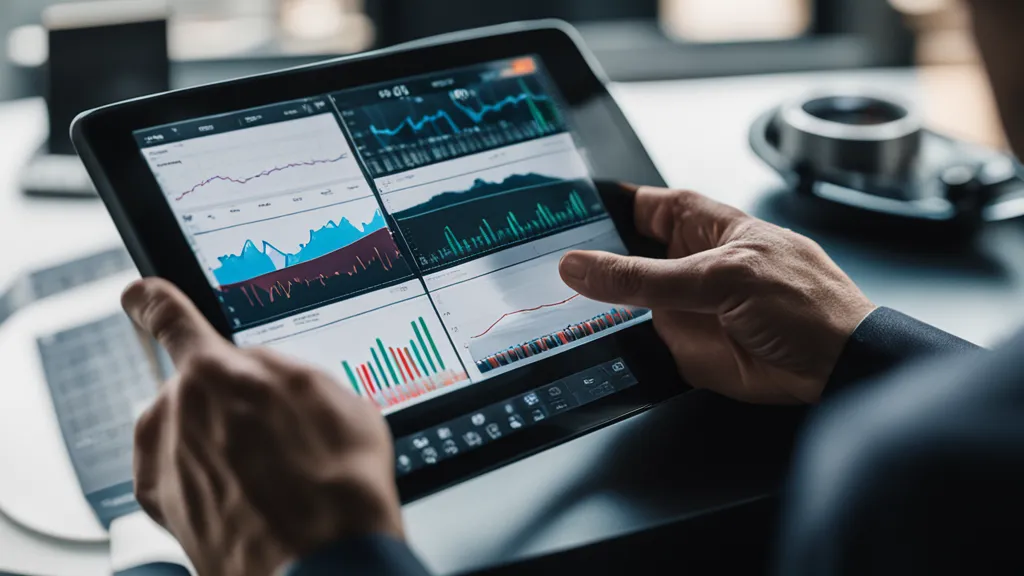
In today’s fast-paced digital landscape, businesses in Adelaide and beyond are constantly seeking ways to gain a competitive edge. Moving beyond simply reacting to past events, the true power lies in anticipating the future. This is where predictive analytics, a sophisticated application of machine learning, comes into play. By embedding these capabilities directly into your business applications, you can transform raw data into actionable foresight, enabling smarter decisions, personalized customer experiences, and optimized operations.
What is Predictive Analytics and How Does it Work?
Predictive analytics involves using historical data to forecast future outcomes. It’s not about guessing; it’s about applying statistical algorithms and machine learning models to identify patterns and probabilities within vast datasets. Think of it as teaching a system to recognize trends and then apply that learning to new, incoming data.
At its core, Machine Learning powers predictive analytics. These algorithms are trained on historical information, learning the relationships between different data points. For instance, if your business app collects customer purchase history, website browsing patterns, or inventory levels, a machine learning model can analyze these to predict future buying behavior, potential stock shortages, or even customer churn. The output isn’t a certainty, but rather a probability or a score, giving businesses a much clearer picture of what might happen next.
The Role of Data
Effective predictive analytics hinges on quality data. This includes everything from transactional records and customer demographics to operational logs and external market indicators. The cleaner and more comprehensive your data, the more accurate your predictions will be. A well-designed business app can be a powerful data collection engine, providing the rich datasets necessary for these advanced models to learn and perform.
Transforming Business Apps: Key Benefits in Adelaide
For Adelaide businesses, integrating predictive analytics into their App Development“>App Development strategy offers a suite of compelling advantages, moving them from reactive to proactive.
Forecasting Trends with Confidence
Imagine knowing what your customers will want before they even ask. Predictive analytics makes this a reality. For a local retail store, this could mean highly accurate sales forecasting, allowing for optimized inventory management, reducing waste, and ensuring popular items are always in stock. A service-based business in Adelaide might use it to predict demand fluctuations, enabling better staff scheduling and resource allocation. This foresight can be crucial for adapting quickly to market shifts, a significant advantage in any competitive landscape.
Personalizing Customer Experiences
Modern consumers expect tailored experiences. Predictive analytics allows your business app to deliver just that. By analyzing past interactions, preferences, and behaviors, the app can offer personalized product recommendations, custom promotions, or even anticipate a customer’s needs for support. This level of personalization fosters stronger customer loyalty and can significantly boost engagement, making your app an indispensable tool for your Adelaide clientele.
Providing Actionable Insights for Strategic Growth
Beyond simple predictions, the true value of predictive analytics lies in generating actionable insights. These insights empower businesses to make informed strategic decisions. For example, an app could identify which marketing campaigns are most likely to convert specific customer segments, or pinpoint operational bottlenecks before they impact service delivery. This data-driven approach allows Adelaide businesses to refine their strategies, optimize processes, and allocate resources more effectively, leading to measurable growth.
Embedding Predictive Analytics into Your Business App
Integrating predictive analytics isn’t just about running a separate report; it’s about seamlessly weaving these capabilities into the fabric of your existing (or new) business application. This process typically involves several key steps:
-
Data Collection and Preparation: The first step is ensuring your app is collecting the right data and that this data is clean, consistent, and organized. This might involve setting up new data streams or refining existing ones. Data quality is paramount for accurate predictions.
-
Model Development: This is where AI and Machine Learning engineers come in. They design, train, and validate the predictive models using your prepared historical data. These models are essentially the ‘brains’ that learn from patterns and make forecasts.
-
API Integration: To make the predictions accessible within your app, the developed models are often exposed via API Integration. This allows your app to send new data to the model and receive predictions back in real-time or near real-time, without complex manual intervention.
-
User Interface Considerations: The insights generated by predictive analytics need to be presented clearly and intuitively within your app’s user interface. Whether it’s a dashboard for management, personalized recommendations for end-users, or alerts for operational staff, the presentation should be designed for immediate understanding and action.
The journey to embedding predictive capabilities is an iterative one, often requiring ongoing refinement of models and data sources. Working with developers who specialize in advanced technologies ensures that the solution is robust, scalable, and tailored to your specific business needs.
Real-World Scenarios for Adelaide Businesses
Consider these practical applications of predictive analytics for businesses operating in Adelaide:
-
Retail and E-commerce: An Adelaide-based online boutique could use its app to predict which customers are most likely to respond to a flash sale on specific clothing lines, based on their past browsing and purchase history. This allows for highly targeted marketing efforts, reducing ad spend and increasing conversion rates.
-
Hospitality and Services: A local café with its own ordering app might leverage predictive analytics to forecast peak hours and popular menu items. This enables them to optimize staff scheduling, minimize food waste, and ensure customer satisfaction during busy periods.
-
Professional Services: For a financial advisory firm in Adelaide, an internal app could use predictive models to identify clients who might be at risk of churn, based on changes in their engagement patterns or market conditions. This allows advisors to proactively reach out and strengthen relationships.
These examples illustrate how predictive analytics moves beyond generic insights, providing tangible, measurable benefits directly within the operational flow of a business app.
Conclusion
The ability to anticipate rather than simply react is a significant differentiator in today’s market. By integrating predictive analytics into your business app, you’re not just adopting a new technology; you’re fundamentally transforming how your Adelaide business understands its customers, manages its operations, and strategizes for future growth. It’s about empowering your app to deliver not just data, but genuine foresight.