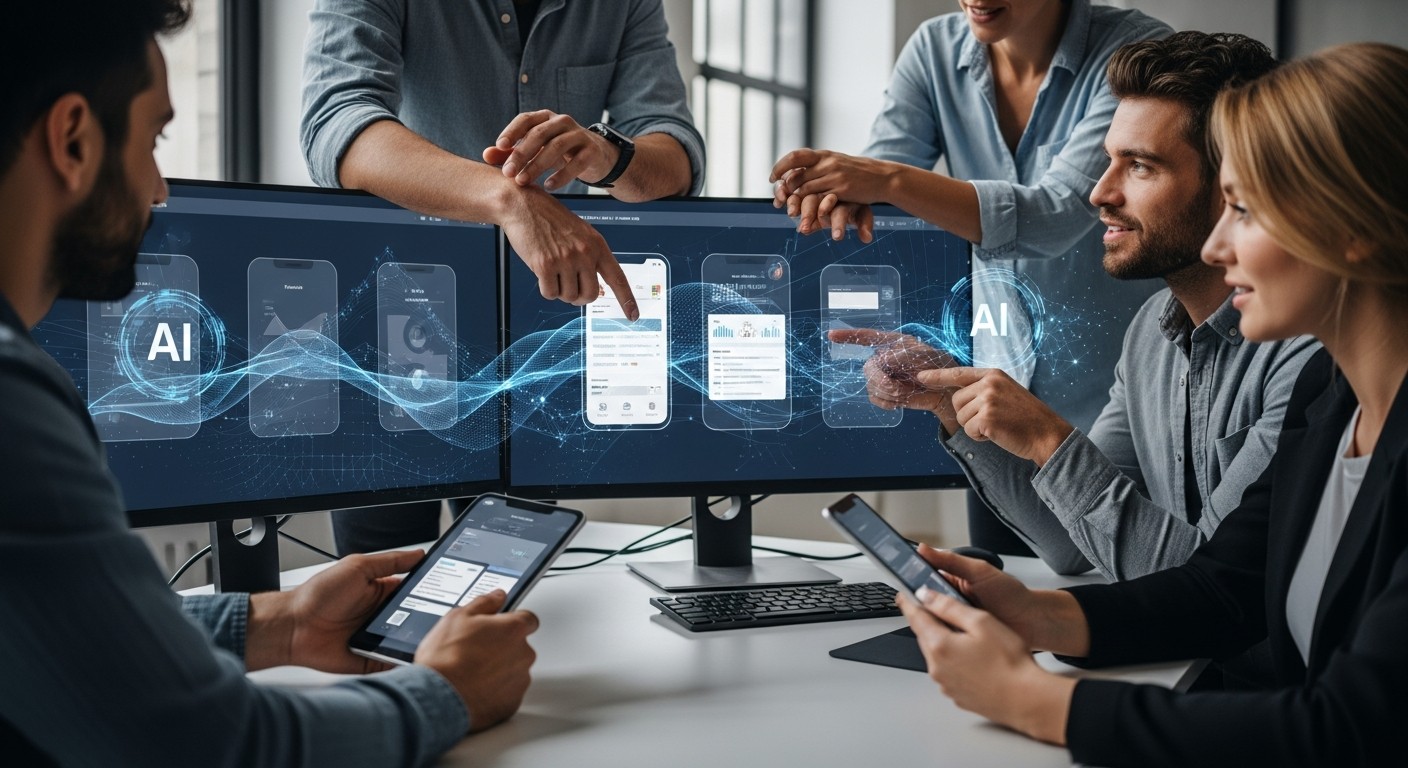
AI-powered features are fundamentally changing what mobile applications can do, making them more intuitive, efficient, and personalized. For businesses and individuals seeking to leverage advanced digital technologies, understanding these specific AI integrations is key to developing cutting-edge solutions. This article explores how features like image recognition, natural language processing (NLP), and smart search are integrated into mobile apps to deliver advanced functionalities and improve user experience. For a broader perspective on how AI integrates across various business solutions, you can find more context at https://dev.bizetools.com/ai-integrations-for-business/.
The Role of AI in Transforming Mobile Apps
Mobile apps have become indispensable tools, but the integration of artificial intelligence takes them to another level. AI enables apps to learn from user behavior, process complex data, and automate tasks that once required human intervention. This shift isn’t just about adding new functions; it’s about creating a more intelligent, responsive, and adaptive user journey. The essence of modern app development now often includes sophisticated machine learning models working behind the scenes.
Key AI-Powered Features in Mobile Applications
Let’s delve into some specific AI features that are making a significant impact on mobile app capabilities.
Image Recognition: Visual Intelligence on the Go
Image recognition allows mobile apps to ‘see’ and interpret visual information, transforming how users interact with the world around them. This AI capability goes beyond simple photo filters, enabling apps to understand the content of images and react accordingly.
- Product Identification: Imagine an e-commerce app where you can snap a photo of an item you like, and the app instantly identifies it, finds similar products, and provides purchase options. This streamlines shopping and enhances discovery.
- Augmented Reality (AR) Overlays: Many apps now use image recognition to anchor virtual objects onto real-world views. Furniture apps, for instance, let you preview how a couch might look in your living room before you buy it.
- Object Detection and Tracking: In fields like security or inventory management, mobile apps can identify and track specific objects in real-time video feeds, providing immediate insights and alerts.
- Healthcare Diagnostics: Some specialized apps can analyze medical images (like X-rays or skin conditions) to assist professionals in preliminary assessments, offering a powerful diagnostic aid.
Natural Language Processing (NLP): Understanding Human Communication
NLP empowers mobile apps to understand, interpret, and generate human language. This makes interactions with apps feel more natural and conversational, moving beyond rigid command structures.
- Advanced Chatbots and Virtual Assistants: These aren’t just rule-based systems anymore. AI-powered chatbots can understand nuanced queries, offer personalized support, and even handle complex transactions within an app, improving customer service and engagement.
- Voice Commands and Dictation: From setting reminders to composing messages, NLP allows users to control apps and input text using their voice, enhancing accessibility and convenience.
- Sentiment Analysis: Apps can analyze user reviews, feedback, or social media comments to gauge sentiment, helping businesses understand customer perceptions and improve services.
- Real-time Translation: Travel or communication apps leverage NLP to provide instant language translation, breaking down barriers and facilitating global interactions.
Smart Search and Recommendation Engines: Personalized Discoveries
Gone are the days of simple keyword searches. AI-driven smart search and recommendation engines provide highly relevant and personalized results, learning from user preferences and context.
- Contextual Search: Instead of just matching keywords, smart search understands the intent behind a user’s query. For example, searching for ‘Italian restaurants’ might prioritize those with high ratings, specific dietary options, or proximity, based on past user behavior.
- Predictive Suggestions: As you type, apps can offer intelligent suggestions, anticipating what you’re looking for. This speeds up navigation and content discovery.
- Personalized Content Feeds: News apps, streaming services, and social media platforms use machine learning algorithms to curate content feeds tailored to individual interests, keeping users engaged with relevant information.
- Intelligent Filtering: In complex databases, smart search can apply multiple filters and even infer desired parameters from a natural language query, simplifying data retrieval.
Benefits for Users and Businesses
Integrating these AI features into mobile apps offers tangible benefits. For users, it means a more intuitive, efficient, and personalized experience. Apps become more helpful, understanding their needs and anticipating their next move. For businesses, these features can lead to increased user engagement, higher conversion rates, improved operational efficiency, and a competitive edge in the market. Leveraging AI in web development and app development is no longer an option but a strategic imperative for many.
The Future of Intelligent Mobile Applications
The evolution of AI in mobile apps is continuous. As machine learning models become more sophisticated and data processing capabilities expand, we can expect even more seamless and powerful integrations. This includes advancements in areas like predictive analytics, autonomous functions, and even more natural human-computer interaction. Businesses looking to stay at the forefront of digital innovation often explore robust API integration and scalable cloud hosting solutions to support these advanced AI functionalities.