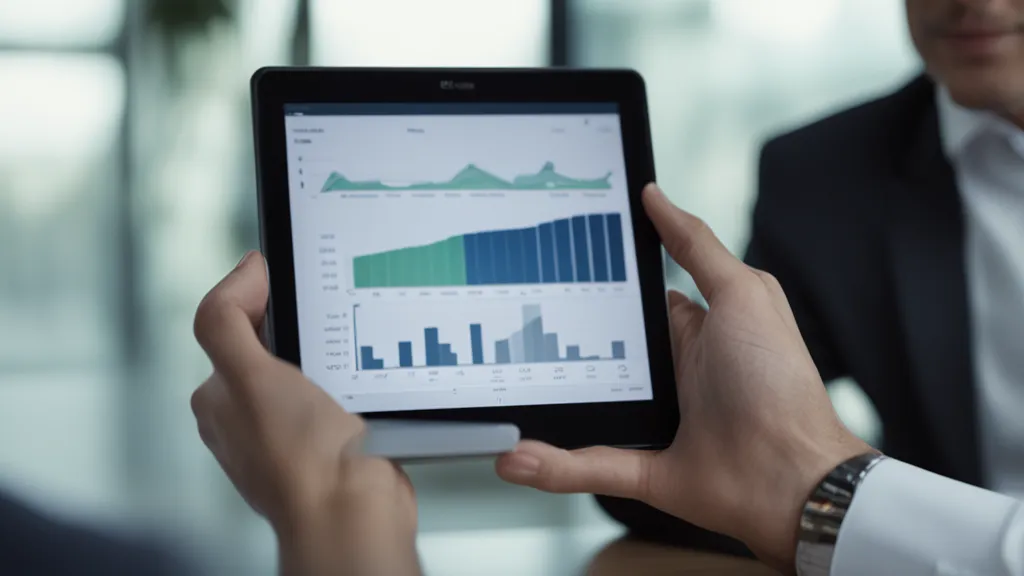
TL;DR
Predictive analytics helps businesses anticipate future trends and make informed decisions. This article explores how predictive analytics tools can be used to forecast various business aspects, optimize operations, and gain a competitive edge.
Introduction
In today’s rapidly evolving business landscape, data is king. But raw data alone isn’t enough. To truly unlock its potential, businesses need to transform data into actionable insights. That’s where predictive analytics comes in. By leveraging historical data, statistical algorithms, and machine learning techniques, predictive analytics empowers businesses to forecast trends, anticipate customer behavior, and optimize operations for maximum efficiency.
Forecasting Business Trends
Predictive analytics can be used to forecast a wide range of business trends, including sales, demand, and market fluctuations. By analyzing past sales data, seasonality, and external factors like economic indicators, businesses can accurately predict future sales volumes and adjust their inventory, marketing campaigns, and staffing accordingly.
Optimizing Operations
Predictive analytics can also be used to optimize various aspects of business operations. For example, by analyzing customer purchase history and demographics, businesses can identify potential churn risks and implement targeted retention strategies. Predictive analytics can also be used to optimize supply chain management, predict equipment failures, and personalize marketing campaigns, leading to cost savings and improved efficiency.
Data-Driven Decision Making
Perhaps the most significant benefit of predictive analytics is its ability to empower data-driven decision making. By providing businesses with accurate forecasts and insights, predictive analytics allows decision-makers to move beyond gut feelings and make informed choices based on solid data. This can lead to better strategic planning, more effective resource allocation, and improved overall business performance.
Case Study 1: Retail
A retail company used predictive analytics to forecast demand for its products during the holiday season. By analyzing historical sales data, weather patterns, and promotional campaigns, the company was able to accurately predict which products would be in high demand and ensure sufficient inventory levels. This resulted in increased sales and reduced stockouts, maximizing revenue during the crucial holiday period.
Case Study 2: Manufacturing
A manufacturing company used predictive analytics to optimize its production process. By analyzing sensor data from its equipment, the company was able to predict potential failures and schedule maintenance proactively. This minimized downtime, reduced maintenance costs, and improved overall production efficiency.
People Also Ask
How accurate are predictive analytics models?
The accuracy of predictive models varies depending on data quality, model complexity, and the inherent predictability of the event being forecast. Well-designed models using high-quality data can achieve significant accuracy.
What are the challenges of implementing predictive analytics?
Challenges include data collection and cleaning, model selection and training, and integrating insights into decision-making processes. Addressing these requires technical expertise and organizational alignment.
What industries benefit most from predictive analytics?
Various sectors benefit, including retail, finance, healthcare, and manufacturing. Any industry dealing with large datasets and seeking to improve forecasting, decision-making, and operational efficiency can leverage predictive analytics.
FAQ
What is predictive analytics?
Predictive analytics uses historical data and statistical techniques to predict future outcomes.
How can predictive analytics benefit my business?
It can improve forecasting, optimize operations, and enhance decision-making.
What data is needed for predictive analytics?
Relevant historical data, such as sales figures, customer demographics, or website traffic, is essential.
Leave a Reply