TL;DR
Image recognition powered by machine learning is transforming industries. This article dives into the core concepts, practical applications, and strategic considerations for businesses looking to leverage this technology. From quality control to medical diagnoses, the potential is vast and rapidly evolving.
Introduction to Image Recognition with Machine Learning
Image recognition, a subset of computer vision, empowers machines to “see” and interpret images much like humans do. Through machine learning algorithms, computers can identify objects, scenes, and patterns within images, opening doors to a wide array of applications.
Core Concepts and Techniques
Several key concepts underpin image recognition. Understanding these is crucial for effective implementation:
-
Convolutional Neural Networks (CNNs): CNNs are specialized neural networks designed specifically for processing image data. They use convolutional layers to extract features from images, allowing the network to learn hierarchical representations of visual information.
-
Transfer Learning: Transfer learning involves utilizing pre-trained models (like Inception or ResNet) as a starting point, fine-tuning them for specific tasks. This significantly reduces training time and data requirements, making it ideal for many applications.
-
Data Augmentation: Data augmentation techniques artificially expand the training dataset by creating variations of existing images. This improves model robustness and reduces overfitting by exposing the model to a wider range of visual scenarios.
Practical Applications of Image Recognition
The applications of image recognition are incredibly diverse and span various sectors:
-
Healthcare: Image recognition assists in medical image analysis, aiding in diagnoses, treatment planning, and disease monitoring. Detecting anomalies in X-rays or identifying cancerous cells in pathology slides are prime examples.
-
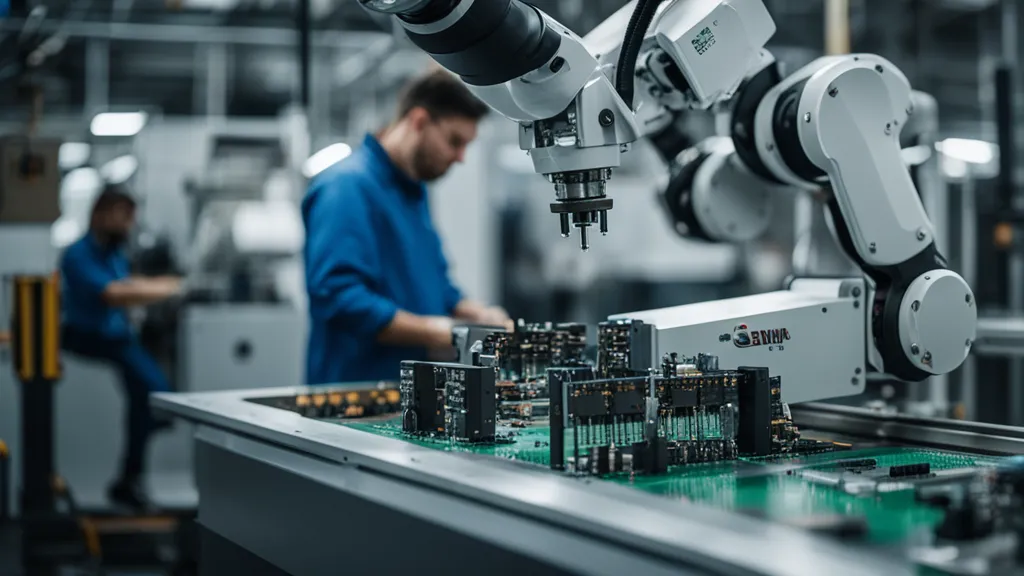
Manufacturing: Automating quality control processes, detecting defects, and optimizing production lines are key uses in manufacturing. Image recognition systems can identify inconsistencies and flaws in products, ensuring high quality and efficiency.
-
Retail: Visual search, personalized recommendations, and inventory management benefit from image recognition. Customers can search for products using images, and retailers can gain insights into customer preferences.
Strategic Considerations for Businesses
Implementing image recognition effectively requires careful planning:
-
Data Quality and Quantity: High-quality, labeled data is essential for training accurate models. Gathering and preparing a robust dataset is a critical first step.
-
Choosing the Right Model: Selecting the appropriate machine learning model depends on the specific task, available resources, and desired accuracy. Evaluating different models and architectures is crucial for optimal performance.
-
Integration and Deployment: Integrating image recognition into existing workflows and systems is essential for realizing its full potential. Planning for deployment and ongoing maintenance ensures smooth operation.
People Also Ask
-
Question: What are the key challenges in implementing image recognition?
Answer: Data acquisition, computational resources, and model accuracy are some significant challenges. Ensuring sufficient, high-quality data is crucial. Additionally, training complex models requires substantial processing power. Balancing accuracy with computational cost remains an ongoing consideration. -
Question: How can image recognition improve business efficiency?
Answer: Automating tasks, reducing manual labor, and improving decision-making are key ways image recognition boosts efficiency. In manufacturing, it can automate quality control. In retail, it can personalize recommendations. These improvements lead to cost savings and increased productivity. -
Question: What’s the future of image recognition?
Answer: The future looks bright, with advancements in areas like edge computing and real-time processing. As models become more efficient and hardware improves, we can expect wider adoption and more sophisticated applications, particularly in mobile and embedded devices.
FAQ
What is image recognition?
Image recognition is a technology that allows computers to identify objects, places, and people in images.
How does machine learning play a role in image recognition?
Machine learning algorithms, particularly deep learning models like CNNs, are used to train computers to recognize patterns and features in images.
What are some common applications of image recognition?
Image recognition is used in various fields, including healthcare (medical image analysis), manufacturing (quality control), and retail (visual search).
Conclusion
Image recognition powered by machine learning offers transformative potential across industries. By understanding the core concepts, practical applications, and strategic considerations, businesses can effectively leverage this technology to drive innovation and achieve their objectives.
Leave a Reply